
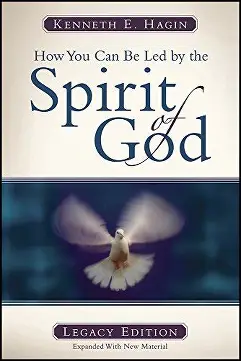
How You Can Be Led by the Spirit of God is one of Kenneth E. Hagin’s well-known works on spiritual guidance, the book was originally published in 1978.
In this book, Hagin explores the idea that Christians should be led by the Holy Spirit, and also how they can learn to recognize and follow that leading in everyday life.
Over the years, ‘How you can be led by the Spirit of God’ has been used in reading groups, Sunday school classes, and personal devotions.
This review covers;
1. Chapter-by-chapter or theme-by-theme summary of the main arguments and teachings;
2. Evaluate the strengths and contributions of the book;
3. Offer critical reflections and potential weaknesses or cautions;
4. Comment on how this book fits within broader Christian spirituality and how a reader might engage with it.
Below is an organized summary of the key content and major themes of How You Can Be Led by the Spirit of God.
Preface and Background / Author’s Vision https://www.bing.com/ck/a?!&&p=dbe1a9dafd3d09ee543950996d879f9230d842b146ba29a63529f8b3d8a1aa31JmltdHM9MTc3Mzg3ODQwMA&ptn=3&ver=2&hsh=4&fclid=2366de9e-d8c2-672b-1ff2-cbe9d9766668&psq=HOW+TO+BE+LEAD+BY+THE+HOLYSPIRIT&u=a1aHR0cHM6Ly9naW5nZXJoYXJyaW5ndG9uLmNvbS9ob2x5LXNwaXJpdC1ndWlkYW5jZS8
Hagin begins by recounting a vision in 1959 in which he says the Lord appeared to him and told him He would teach him how to be led by the Spirit, and that Hagin, in turn, should teach it to others. The foundational claim is that in the New Testament, Christians are meant to be led by the Spirit, Romans 8:14. Hagin argues that while many Christian books emphasize being ‘Spirit-led’ in the abstract, few teach the method or practice of discerning the Spirit’s leadings.
He warns that some practices of seeking guidance such as overreliance on prophets, signs, or external ‘voices’, have led people into error. Thus, the book seeks to set boundaries; it affirms that God does speak by prophecy, visions, dreams, etc. but insists the primary method is inward, which is via the believer’s regenerated spirit.
Man: Spirit, Soul, Body
A central foundational chapter is Hagin’s teaching on the tripartite nature of human existence: spirit, soul, and body. He insists that the “inward man” or human spirit is the essential seat of communion with God and the place through which God leads.
Spirit vs. Soul: Hagin draws a distinction: the soul is the realm of mind, will, and emotions, the intellectual and emotional faculties, while the spirit is the deeper, inner part that communes with God and perceives spiritual truth.
Body Submission: He argues that Christian growth involves subordinating the body (and its senses, cravings, and impulses) to the spirit, so that spiritual guidance is not overridden by fleshly impulses.
Saving the Soul: Since at conversion the spirit is regenerated, Hagin further teaches that the soul must be “saved” or renewed, that is, restored to align with the spirit and God’s Word.
Spirit-Consciousness and Developing Sensitivity
One of Hagin’s practical emphases is that believers must become “spirit-conscious”: that is, increasingly aware of their inward spirit rather than dominated by their mind, emotions, or senses. This requires spiritual disciplines;
Feeding on the Word: meditating, memorizing, and internalizing Scripture so that the Word can rise up in the spirit.
Prayer, Worship, Silence: to quiet the soul and allow the spirit to hear from God.
Sensitivity to Impressions, Promptings, Nudges: Hagin claims God often leads by very subtle internal impressions, rather than dramatic supernatural events.
The Inward Witness (Number One Way God Leads) https://www.bing.com/ck/a?!&&p=d79fba8f1b4df028b57e6f3310ae6429766ffa66f8fae498832b66b77bf36661JmltdHM9MTc3Mzg3ODQwMA&ptn=3&ver=2&hsh=4&fclid=2366de9e-d8c2-672b-1ff2-cbe9d9766668&psq=HOW+TO+BE+LEAD+BY+THE+HOLYSPIRIT&u=a1aHR0cHM6Ly93d3cuc2VlZHdvcmRjaHJpc3RpYW4uY29tLzIwMjUvMDUvZXhhbXBsZXMtb2YtYmVpbmctbGVkLWJ5LWhvbHktc3Bpcml0Lmh0bWw
One of the key teachings in the book is that the inward witness is the primary, most reliable way God leads believers. This is described as a “feel-go” sensation in the spirit, a “velvety-like” confirmation, or the absence thereof, that directs decisions.
He cautions:
Do not override the inward witness with logic, emotions, or physical feelings.
Wait for confirmation and avoid hasty decisions.
Test every impression against Scripture and the believer’s spirit.
Inward Voice, Prophecy, Visions, External Confirmations
While Hagin elevates the inward witness, he does not exclude other modes of divine communication. He includes chapters on:
Inward Voice / Conscience: The “still small voice” of the spirit that quietly speaks, often when the believer is in tune.
Effects of the Spirit’s Indwelling: How the Spirit dwelling in us enables understanding, revelation, and inner guidance.
Two Experiences: Hagin distinguishes between being born again (spiritual birth) and being filled with the Holy Spirit. The former connects one to God internally; the latter empowers outward works.
Prophecies and Visions: He accepts them as valid, but insists they are secondary, and must not contradict the inward witness and Scripture.
Following the Witness: Practical instructions on steps to “hear and obey” the inward impression, how to confirm, and when not to act.
Practical Examples, Warnings, and Applications
Throughout, Hagin weaves in autobiographical and pastoral stories, illustrating how he or others discerned guidance through their spirit, sometimes in ordinary life decisions. He also warns against pitfalls:
Mistaking emotions or physical senses for divine guidance.
Trying to receive guidance via signs or through the mind alone.
Being impatient or forcing decisions when the spirit is not yet clear.
Over-reliance on prophecy or external voices to guide, rather than one’s own spirit.
By the end of the book, Hagin aims to help readers become more sensitive, disciplined, and confident in obeying the Spirit’s leading in all areas of life: business, relationships, ministry, etc.
Strengths / Contributions
This section highlights what Hagin does well, what the book offers to the reader.
1. Practical Focus
Unlike many theological books about being “Spirit-led” in general terms, Hagin’s strength lies in giving practical steps and insight on how a believer can learn to discern and follow divine leading. This makes the book helpful to those seeking not just theory but application.
2. Emphasis on the Internal Witness
The emphasis on the inward witness (the go/no-go feeling in the spirit) helps ground guidance in the believer’s own regenerated spirit, which fosters spiritual maturity and personal responsibility.

3. Balanced View of Prophecy and External Modes
While giving priority to inward leading, Hagin does not dismiss prophetic, visionary, or external confirmation modes. He gives them their rightful place, urging testing and alignment with Scripture and inward witness.
4. Pastoral Tone and Examples
The inclusion of personal stories, ministerial examples, and pastoral counsel helps relate the teaching to real life, making the material accessible and less abstract.
5. Biblical Anchoring
Hagin uses Scripture repeatedly especially passages from Romans, Proverbs, Hebrews, etc., to justify his claims about how God leads believers. The biblical grounding helps readers test the teaching against the Word.
6. Tempering of Extremes and Warnings Against Abuse
The book includes cautionary sections about how misusing prophecy, seeking signs obsessively, or confusing emotions for spiritual guidance can lead people astray. This is helpful for moderating extremes that sometimes appear in charismatic circles.
Critical Reflections / Potential Weaknesses and Cautions
No book is without limitations or areas needing careful reading. Here are some critical reflections and cautions to keep in mind when reading How You Can Be Led by the Spirit of God.
1. Subjectivity and the Risk of Misinterpretation
Because much of the teaching centers on internal impressions or feelings (the “inward witness”), there is a risk of subjectivity. Different individuals may interpret their internal impulses differently. Without a strong grounding in Scripture and community accountability, one might misread personal desires as divine leading.
2. Ambiguity in Defining the “Inward Witness”
Hagin describes the inward witness in less precise terms (e.g., “velvety go-ahead feeling”) and sometimes concedes that the impression may not always be immediately clear. This can leave the reader wondering, “How do I know this is truly the Spirit speaking?” He does provide testing measures, but ambiguity remains.
3. Potential Downplay of Rational Discernment
Some critiques suggest that Hagin may undervalue the role of the mind, analysis, counsel, and wisdom in decision-making. Sometimes decisions do require weighing facts, wise counsel, and logical reflection. If a reader takes Hagin too rigidly, they might neglect the value of sober wisdom and reasoning.
4. Limited Engagement with Skeptical or Critical Views
The book assumes the reality of spiritual impressions, prophecy, etc. It does not deeply engage with objections, skepticism, or theological alternatives (e.g., cessations’ views). Readers from outside charismatic traditions might find some chapters harder to accept without more critical defense.
5. Risk of Overemphasis on the Spiritual Leading
Some may become overly preoccupied with discerning every decision supernaturally, potentially leading to paralysis in decision-making or anxiety over “did I hear right?” A healthy balance is needed; sometimes God leads, sometimes He gives principles to follow.
6. Cultural/Contextual Limitations
Kenneth Hagin wrote from a particular American charismatic context. Some language, examples, or emphases may not fully translate to different cultural contexts (e.g. Nigeria, Africa) without adaptation. The dynamics of spiritual perception may differ in different settings.
7. Lack of Extensive Theological Rigor in Some Areas
While Hagin’s book is more practical than academic, for readers seeking thorough theological and biblical analysis (e.g. dealing in depth with Old Testament prophetic patterns, cessationism debates, etc.), the work may not satisfy fully.
Theological Reflection & Broader Context
To place Hagin’s work in a broader Christian and theological framework:
Relation to Classical Christian Spirituality
The idea that God leads believers is not new; Christian mystics, the Puritans, and other traditions often stressed the “quiet voice” of God. Hagin’s contribution is to adapt that into charismatic language, emphasizing the Spirit indwelling believers and giving them internal guidance.
Charismatic/Pentecostal Tradition
This book is well situated in the Pentecostal/charismatic tradition, where experiential and relational aspects of the Spirit are valued. It reflects the movement’s desire to be Spirit-sensitive without drifting into erraticism.
Discernment and Testing
One constant in Christian tradition is the need to test spirits and impressions (1 John 4:1, etc.). Hagin’s insistence that inner impressions be tested by Scripture is consistent with classical Christian caution about false prophets and interior spiritual delusion.
Balance of Spirit and Word
For many readers, one of the most important tensions is ensuring that spiritual impressions do not override the authority of Scripture. Hagin’s framework (which requires consistency with Scripture) is helpful, but readers must vigilance to maintain that balance.
Spiritual Formation and Discipleship
This book can function as a guide in spiritual formation: learning to discern, obey, and grow in sensitivity. It can be paired with other discipleship materials that emphasize character, virtue, and theological depth.
Suggestions for How to Read with Discernment and Application
Here are some suggestions you might adopt to get the most out of Hagin’s book, while being thoughtful and careful;
1. Read slowly, one chapter at a time
Pause to meditate on the text, pray, and reflect on what your spirit is hearing.
2. Keep Scripture open and test every impression
As you read, write down the uplifting or convicting impressions you sense, and compare them with biblical truth.
3. Use accountability
Share what you feel you’re hearing with trusted, mature Christian friends or mentors who can help you test and discern.
4. Practice small obeying steps
Start by practicing obedience in low-risk matters (small decisions) to build confidence in spiritual leading.
5. Record your impressions and track outcomes
Maintain a journal: note what you sensed, what you did, and how God confirmed or redirected you.
6. Maintain balance with reason, counsel, and wisdom
Don’t discard the value of your mind, wise counsel, and logical reasoning, use them as partners with your spirit, not antagonists.
7. Adapt to your cultural context
Reflect on how spiritual impressions may manifest differently in your cultural setting. Be sensitive to how God speaks in your context.
8. Carefully guard against overdependence or spiritual paralysis
Recognize that God sometimes leads by general principles (e.g., “love your neighbor,” “work diligently”) more than by specific daily directions.
Overall Evaluation & Recommendation
How You Can Be Led by the Spirit of God is a valuable Christian book for those seeking to grow in sensitivity to God’s guidance. It is particularly strong in its practical orientation, clear structure, and pastoral tone. For many believers, it offers insight, encouragement, and a framework for training one’s spirit to perceive divine direction.
However, the book should be read with discernment. The internal nature of spiritual impressions always carries a risk of misinterpretation. It is essential to test impressions by Scripture, community, and wisdom. Readers from non-charismatic traditions or those more skeptical of supernatural impressions may need to supplement Hagin’s teaching with additional theological or critical voices.
If I were recommending it to you, I would say: read it prayerfully, take notes, test what you feel, apply in small steps, and discuss with mature believers. Over time, the teaching may sharpen your spiritual sensitivity and help you live a more guided, responsive Christian life.